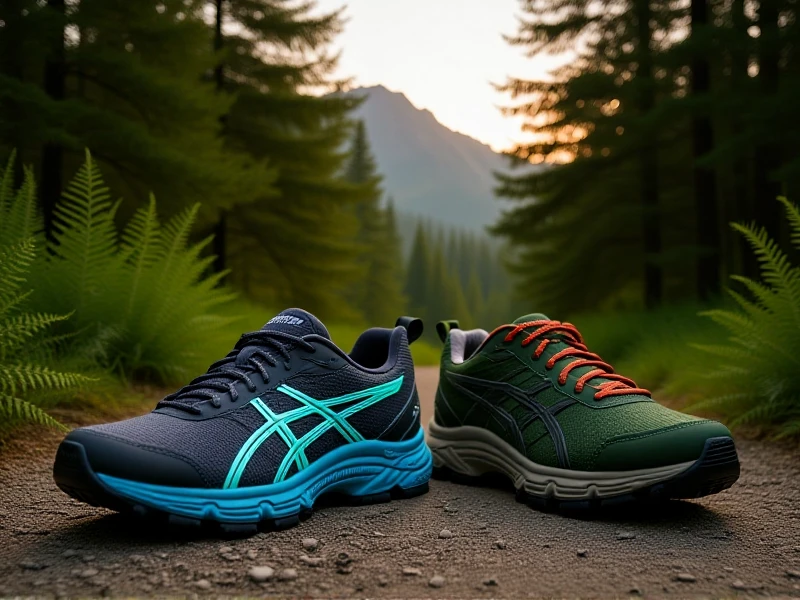
Finding Your Perfect Pair of Hiking Shoes: Your Guide to Trail-Ready Footwear
Choosing the right hiking shoes is fundamental to enjoying trails safely and comfortably. They are the connection between you and the terrain, providing grip, support, and protection. Selecting subpar footwear can lead to blisters, fatigue, rolled ankles, or even cut a hike short. Understanding what makes an excellent pair empowers you to find the best hiking shoes for your adventures.
The first critical aspect is fit. Trail shoes should cradle your heel snugly without slippage while providing ample wiggle room for your toes, especially on descents. Visit a reputable outdoor retailer later in the day when feet are naturally slightly swollen. Wear the same type of hiking socks you plan to use and take time walking around the store, ideally on incline boards if available. Focus on eliminating any uncomfortable pressure points immediately. Never expect them to "break in" significantly in problem areas.
Support and Stability vary significantly. Generally:
- Shoes (Low-Cut): Lightweight, flexible, great for day hikes on well-maintained trails and fast packing. Offers minimal ankle support.
- Mid-Cut Boots: The most versatile choice, providing essential ankle stability for rougher terrain, moderate loads, and multi-day trips without excessive weight.
- High-Cut Boots: Offer maximum ankle support and protection for challenging, rocky terrain, heavy backpacks, or those prone to weak ankles. Heavier and stiffer. Consider your typical terrain, pack weight, and personal stability needs when deciding.
Traction is non-negotiable. Look for rugged, multi-directional outsoles made of durable rubber compounds like Vibram. Deep, widely spaced lugs effectively shed mud and grip loose surfaces. Softer rubber offers excellent grip (like rock climbing rubber) but may wear faster on pavement.
Protection and Comfort Features include:
- Waterproofing: Membranes like Gore-Tex keep feet dry from rain and streams but can reduce breathability. Non-waterproof options (breathable mesh) are cooler and dry faster when wet internally or externally, ideal for warm climates or well-drained trails.
- Toe Protection: Rugged rubber toe caps shield against rocks and roots.
- Rock Plates: Thin, stiff inserts underfoot protect from sharp stones underfoot.
- Cushioning: The amount varies; choose based on personal preference and distance demands.
Leading brands like Merrell, Salomon, Keen, Altra, Vasque, La Sportiva, and Hoka consistently produce high-quality hiking shoes and boots across various categories and price points. Read reviews specific to the model you're considering and pay attention to notes on fit consistency.
Finally, care extends your hiking shoes' life. Clean off dirt and dry naturally after hikes. Use waterproofing treatments periodically for membranes or leather.
Investing time in finding the right pair of hiking shoes tailored to your feet and hiking goals is essential. Proper footwear empowers you to hike further, more comfortably, and safely, turning every step into a confident stride toward adventure. Lace up confidently and hit the trails knowing your footwear supports every climb and descent. Consult experts at outdoor retailers for personalized recommendations.