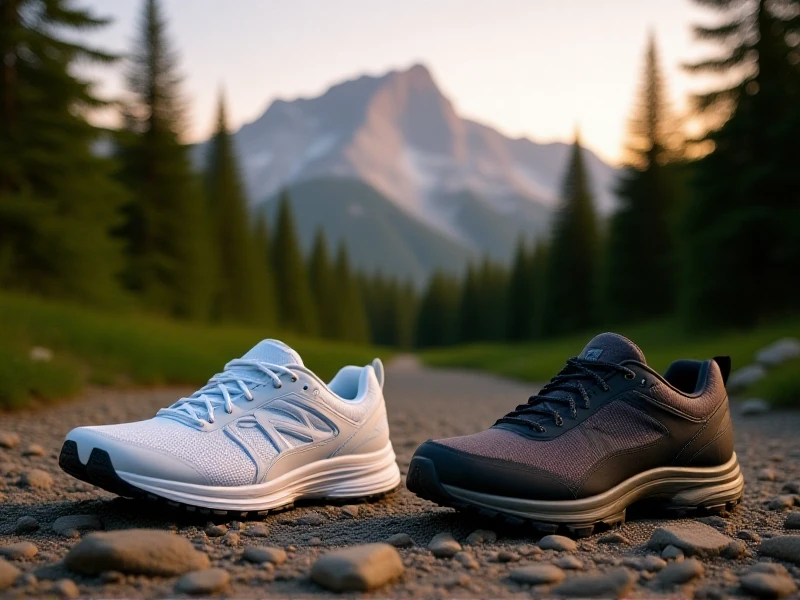
Running Shoes: Find Your Perfect Pair for Peak Performance
Your running journey hinges on finding the perfect pair of running shoes. It's not just about style or brand loyalty; the right footwear impacts performance, minimizes injuries, and elevates your entire running experience. With countless models boasting different features, navigating the world of running shoes can feel overwhelming. This guide simplifies the process and helps you pinpoint the ideal match for your feet and goals.
Understanding the Foundation: Support, Cushion, and Fit
Running shoes are intricate pieces of athletic engineering designed to handle the repetitive impact of striking the ground. They consist of several key components, each serving a vital function:
- The Midsole: The heart of any good running shoe, the midsole delivers cushioning and support. Materials like EVA foam, specialized Polyurethane compounds, and advanced foams like Nike's React, Adidas's Boost, PUMA's Nitro, or ASICS's Gel provide responsive or plush cushioning tailored to reduce impact. Motion control features exist for significant overpronation (inward foot roll), while stability shoes offer moderate support for mild overpronators. Neutral shoes are best for runners with an efficient stride needing primarily cushioning.
- The Outsole: This rubber bottom layer creates traction and durability. Strategic grooves and flex patterns ensure natural foot movement for a smooth stride on various surfaces. Grip is paramount.
- The Upper: Engineered mesh or knit composites offer breathability and create a secure, comfortable wrap around your midfoot and forefoot. Lightweight materials prevent unwanted bulk, key for runners seeking freedom of movement.
Choosing Your Perfect Companion: Fit is Non-Negotiable
More critical than any specific technological buzzword is the fit. An ill-fitting shoe can derail your run immediately. Prioritize a visit to a reputable running store for expert analysis.
- Try Shoes Later in the Day: Feet naturally swell during activity; your true running shoe size may be slightly larger than your casual shoes.
- The Thumb Rule: Aim for about a thumbnail's width (roughly half an inch) of space between your longest toe and the shoe’s end.
- Heel Lock: Your heel should feel securely cradled without excessive sliding.
- Midfoot Comfort: The shoe should hold your midfoot snugly but never apply painful pressure – lace adjustments can fine-tune this.
- Wiggle Room: Your toes need space for natural splay during toe-off. Tightness leads to blisters.
Beyond Type: Matching Shoes to Your Running
Once you know your general shoe type (neutral, stability, motion control), consider your training:
- Daily Trainers: Seek durability, dependable cushioning, and comfort for your everyday miles.
- Race-Day Shoes: Prioritize extreme lightweight construction and responsiveness. Advanced plate technologies often feature here to boost speed (often at the cost of longevity).
- Trail Running Shoes: These provide rugged outsoles for superior grip on unpredictable terrain and protective uppers to shield feet.
- Long-Distance Shoes: Focuses shift towards maximizing cushioning properties and minimizing foot fatigue over extended runs.
The Renewal Cycle: Timing Your Replacement
Running shoes lose their protective cushioning and support over miles. Experts generally recommend replacing them every 300-500 miles. Pay attention to persistent aches (e.g., shins, knees) or visible midsole breakdown – key signs it's time to retire your trusty companions and shop for new running shoes.
Investing time in choosing the perfect running shoes is essential. The right pair fuels your runs, protects your body, and ultimately makes hitting the pavement or trails significantly more enjoyable. Discover your ideal fit and elevate your performance today. Explore our curated selection of top-rated running shoes!