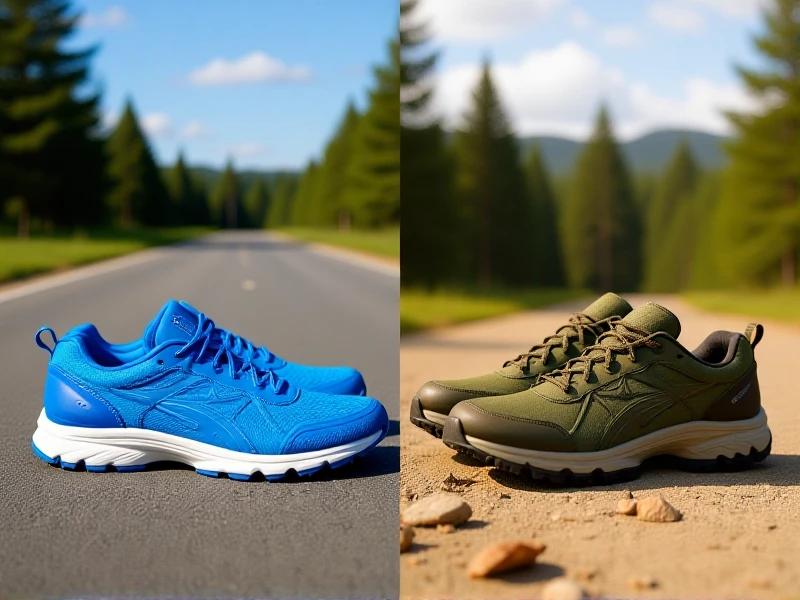
Finding Your Perfect Match: The Ultimate Guide to Hiking Shoes
Hitting the trails starts from the ground up, and that means having the right hiking shoes. Forget blisters, sore feet, or feeling unstable on uneven terrain. Choosing footwear specifically designed for hiking transforms your outdoor experience, providing the comfort, support, and traction essential for adventure.
Why Dedicated Hiking Shoes Matter Everyday sneakers or worn-out boots simply don't cut it for serious trails. Hiking shoes are meticulously engineered to handle the challenges of dirt paths, rocks, roots, and mud. Key differentiators include aggressive outsoles for superior grip on loose or slippery surfaces, protective toe caps to shield your feet from impacts, and often waterproof or water-resistant membranes to keep moisture out. Crucially, they offer enhanced stability, reducing fatigue and the risk of rolled ankles on uneven ground.
Key Features to Consider
- Terrain & Usage: Match your shoe to your typical adventure. Lightweight low-cut hiking shoes are ideal for day hikes on well-maintained trails, offering agility and breathability. For rugged terrain, heavier loads, or needing more ankle support, consider mid-cut hiking boots. Backpackers tackling multi-day trips often prefer supportive high-cut boots.
- Fit is Non-Negotiable: This is paramount. Your feet swell while hiking, so fit them later in the day. Wear your intended hiking socks. Ensure a snug heel fit to prevent slippage and blisters, ample toe room (a thumb's width ahead of your big toe when standing), and no uncomfortable pressure points across the forefoot or instep. Walk on an incline/decline if possible in the store.
- Materials & Construction:
- Upper: Full-grain leather offers great durability and water resistance but is heavier. Split-grain leather paired with lightweight nylon mesh provides a good balance of breathability, weight, and durability. Synthetic materials excel in quick drying times and lighter weight.
- Waterproofing: Membranes like Gore-Tex are excellent for wet conditions, but slightly less breathable. Non-waterproof shoes offer maximum airflow, perfect for dry climates or summer hikes. Know your conditions.
- Support: Look for firm yet supportive midsoles and effective arch support suitable for your foot type. Stiff shanks under the arch provide torsional rigidity on uneven ground.
- Traction: Vibram® rubber outsoles are renowned for grip and durability, but many brands offer excellent proprietary lug patterns.
Caring for Your Hiking Shoes Extend their lifespan! Regularly remove dirt and debris. Allow to air dry naturally away from direct heat after wet hikes. Applying appropriate conditioners (like those for leather or synthetic materials) periodically helps maintain water resistance and material flexibility.
Investing time in finding your perfect pair of hiking shoes pays off exponentially on the trail. Prioritize fit and function suited to your adventures. Try on multiple brands and models – don't assume your street shoe size is your hiking shoe size. When you find the pair that feels secure and comfortable from the first step, you're ready to hike farther with confidence and focus on the beauty around you, not your feet. Trust your feet; the right shoes make all the difference.