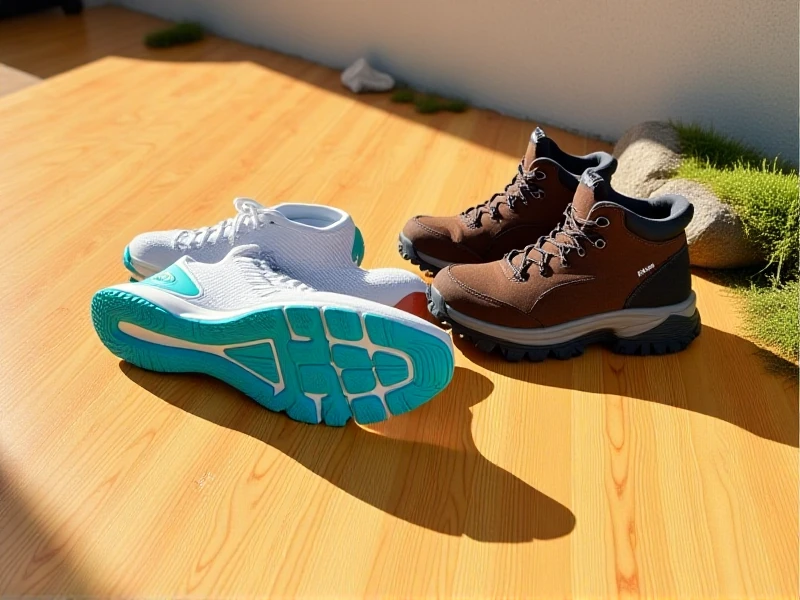
Find Your Trail-Ready Stride: The Essential Guide to Hiking Shoes
Imagine cresting a ridge, the breathtaking panorama unfolding before you. Now imagine doing it with sore, blistered feet or slipping on loose scree. The right pair of hiking shoes isn't just footwear; it's your foundation for adventure and safety on the trail. Whether tackling gentle paths or rugged mountain terrain, choosing wisely makes all the difference. Forget blisters and fatigue; supportive, durable hiking shoes unlock miles of confident exploration.
Why Hiking Shoes Matter Unlike everyday sneakers or running shoes, dedicated hiking shoes are engineered specifically for off-road demands. They provide crucial ankle support on uneven ground, reducing fatigue and injury risk. Their rugged outsoles offer superior grip, biting into dirt, rock, and roots to prevent slips. Protection features like reinforced toes and heels shield your feet from impact, while supportive midsoles cushion each step over long distances. Investing in proper hiking shoes transforms a potentially painful trek into pure enjoyment.
Choosing Your Perfect Hiking Shoe Pair Finding your ideal match depends on your adventures:
- Terrain & Load: Lightweight, flexible low-cut shoes suit day hikes on well-maintained trails. For technical terrain, heavier packs, or needing more ankle stability, consider mid-cut or high-cut boots.
- Fit is Paramount: Never compromise on fit. Try on hiking shoes later in the day when feet swell, wearing your intended hiking socks. Ensure ample toe room (a thumb's width ahead of your big toe), a snug heel without slippage, and no pinching width-wise.
- Protection & Waterproofing: Full-grain leather offers maximum durability but needs breaking in. Synthetics provide lighter weight and quicker drying. Waterproof membranes (like Gore-Tex) keep feet dry in wet conditions but can be less breathable. Non-waterproof options offer superior ventilation for dry, hot climates.
- Traction: Look for aggressively lugged Vibram® or similar rubber outsoles. The deeper, multi-directional lugs provide the essential grip needed on loose or slippery surfaces.
- Support & Cushion: Evaluate the midsole stiffness. More rigid midsoles support heavier loads and rocky terrain but feel less flexible. Softer midsoles offer more comfort on smoother trails.
Break in new hiking shoes gradually on short walks before your big hike. Remember, quality hiking shoes are an investment in every step of your outdoor journey. They provide stability, protection, and comfort, allowing you to focus on the scenery, not your feet. Visit your local outdoor retailer for expert fitting and to explore the best options for your next escape into the wild. Your feet (and your adventures) deserve it.