Your Ultimate Guide to Choosing the Best Running Shoes
Finding the perfect pair of running shoes isn't just about style; it directly impacts your performance, comfort, and injury prevention. Whether you're training for a marathon or enjoying casual jogs, understanding key factors transforms your buying experience.
Prioritize Cushioning & Support Running shoes offer various cushioning levels from plush maximal to ground-hugging minimal. Consider your running style and joint sensitivity. Stability shoes with added arch and medial support benefit overpronators, while neutral options suit those with efficient strides. Test cushion responsiveness by pressing the midsole – it should feel supportive yet springy.
Know Your Foot Mechanics Your foot's natural motion dictates your ideal shoe. Visit a dedicated running store for gait analysis. Often free, this reveals whether your foot rolls inward (overpronation), outward (supination), or remains neutral. Brands categorize shoes accordingly:
- Stability/Support: For overpronators (e.g., Brooks Adrenaline, Saucony Guide)
- Neutral Flexibility: For neutral strides (e.g., Nike Pegasus, Hoka Clifton)
- Motion Control: Severe overpronation support
Match Shoe to Terrain Are your runs primarily on pavement, trails, or tracks? Choose accordingly:
- Road Running Shoes: Lightweight with flexible soles for paved surfaces. Prioritize shock absorption.
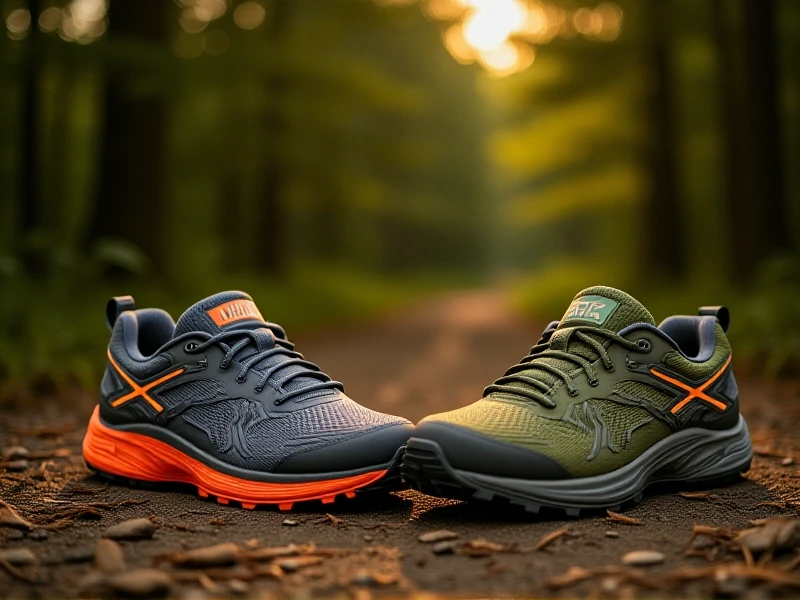
- Trail Shoes: Aggressive treads, rock plates for rough terrain, and enhanced ankle support.
The Perfect Fit Test Sizing matters beyond length:
- Toe Room: Ensure a thumb's width between your longest toe and shoe end.
- Heel Lock: Heels shouldn’t slip; test with "runner's loop" lacing if needed.
- Midfoot Comfort: No pinching across the widest part. Consider wide widths if necessary.
- Test Run: Jog around the store. Check for pressure points or instability. Tip: Shop late afternoon when feet naturally swell.
Renew Them Regularly Even excellent running shoes break down. Replace them every 300-500 miles. Worn cushioning or imbalanced wear patterns heighten injury risks. Track mileage via running apps to stay proactive.
Balance Budget & Quality Invest wisely in supportive features critical for your mechanics. Top brands offer durable materials and biomechanically tested designs that outlast cheaper alternatives, ultimately saving money through consistency and injury prevention.
Prioritize fit and function over fashion trends. Well-chosen running shoes become trusted partners, enabling smoother strides, longer distances, and greater enjoyment every time you hit the road or trail. Focus on what propels you forward.