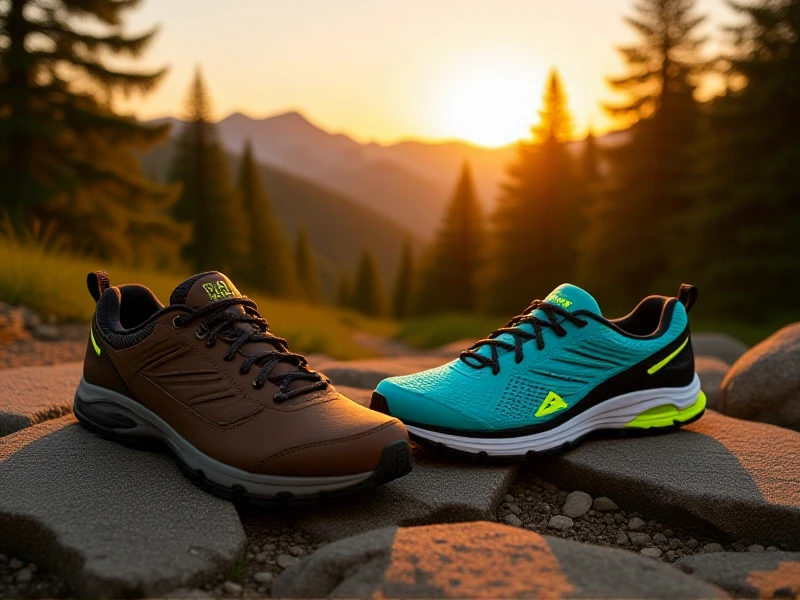
The Ultimate Guide to Choosing Your Perfect Pair of Hiking Shoes
Ready to conquer the trails? Your adventure begins from the ground up. Finding the right hiking shoes is absolutely crucial for comfort, safety, and performance, making the difference between a memorable journey and a painful ordeal. Whether you're tackling gentle paths or steep rocky ascents, the perfect pair empowers every step.
Why Hiking Shoes Matter
General sneakers or running shoes simply don't cut it on diverse terrain. Dedicated waterproof hiking shoes or hiking boots provide critical features:
- Essential Protection: Rugged outsoles shield your feet from sharp rocks and roots. Toe caps guard against accidental bumps, while durable uppers resist abrasions.
- Unmatched Support & Stability: Look for structured midsoles and supportive ankle collars (especially in hiking boots). This reduces fatigue and minimizes the risk of rolling an ankle on uneven ground.
- Superior Traction: Aggressive lug patterns on the outsole grip tenaciously on mud, loose gravel, wet rocks, and slippery surfaces, preventing slips and falls.
- Enhanced Comfort: Breathable linings manage moisture (consider Gore-Tex for waterproof breathability), while contoured footbeds and supportive arches ensure all-day comfort mile after mile.
- Built to Last: Constructed from tough synthetics, leather, or nubuck, quality hiking shoes withstand repeated use in harsh outdoor conditions far better than ordinary footwear.
Choosing Your Ideal Hiking Footwear
Selecting the best hiking shoes depends on your specific adventures:
- Day Hikes & Lightweight Trails (Hiking Shoes/Trail Runners): Prioritize flexibility and low weight. These offer excellent comfort and agility on maintained paths. Look for breathable mesh uppers and grippy soles. Ideal entry point for beginners.
- Rugged Terrain & Multi-Day Treks (Hiking Boots): Demand robust ankle support, maximum protection, and stability under heavier loads. Higher cuts shield ankles, while stiffer soles provide support on rocky, uneven paths. Often feature waterproof hiking membranes.
- Approach Shoes or Scrambling: Designed for technical terrain requiring precise foot placement on rocks, offering sticky rubber soles and structured toe boxes.
Key Features to Prioritize
- The Perfect Fit: This is non-negotiable. Always try shoes on with hiking socks you'll use. Ensure ample toe room (about a thumbnail's width) and a snug, secure heel. Walk on an incline and decline. Prioritize comfort instantly; blisters ruin hikes.
- Durable Outsole: Vibram® or similar high-quality rubber with deep, multi-directional lugs provides legendary traction. Ensure it covers the entire sole edge.
- Waterproofing (If Needed): Membranes like Gore-Tex keep feet dry crossing streams or hiking in wet conditions, but reduce breathability slightly. For dry climates or very sweaty feet, non-waterproof, highly breathable options (sometimes called "quick-drying hiking shoes") may be better.
- Support Structure: Look for torsional stability and arch support suited to your foot. Stiffer midsoles offer more support on technical trails; more flexible soles feel nimble on smoother paths.
- Material & Build: High-quality leather offers durability and natural weather resistance. Synthetics lighten the load and dry faster. Look for reinforced high-wear areas.
Investing in the right hiking shoes transforms your experience. Protect your foundation, boost your confidence, and unlock the true joy and freedom of exploring the wild. Visit our expert fitting guides – your next adventure awaits!