Choosing Your Perfect Pair: Essential Hiking Shoe Features
Here is the SEO-optimized article on Hiking Shoes, adhering to your requirements:
The wilderness calls, and answering it requires more than just enthusiasm; it demands the right gear. At the top of that essential list? Reliable hiking shoes. Your feet are your primary mode of transport on the trail, and the right footwear makes the difference between a joyous adventure and a painful ordeal. Understanding key features helps you find the perfect pair.
Traction reigns supreme. Look for aggressive, multi-directional lugs on the outsole, made from high-quality rubber compounds. Vibram® soles are often a benchmark for grip, biting into mud, loose scree, and slick rock faces. An effective lug pattern channels mud away, preventing buildup. Think about the terrain you frequent most and choose accordingly – deeper lugs for mountain scrambles, perhaps slightly shallower for well-groomed trails.
Waterproofing (or lack thereof) is crucial. For wet environments, creek crossings, or unpredictable weather, GORE-TEX® or similar waterproof, breathable membranes are lifesavers, keeping feet dry from external moisture. However, they add weight and reduce breathability. For hot, dry climates where breathability and speed drying are priorities, consider lightweight non-waterproof (highly breathable) construction instead.
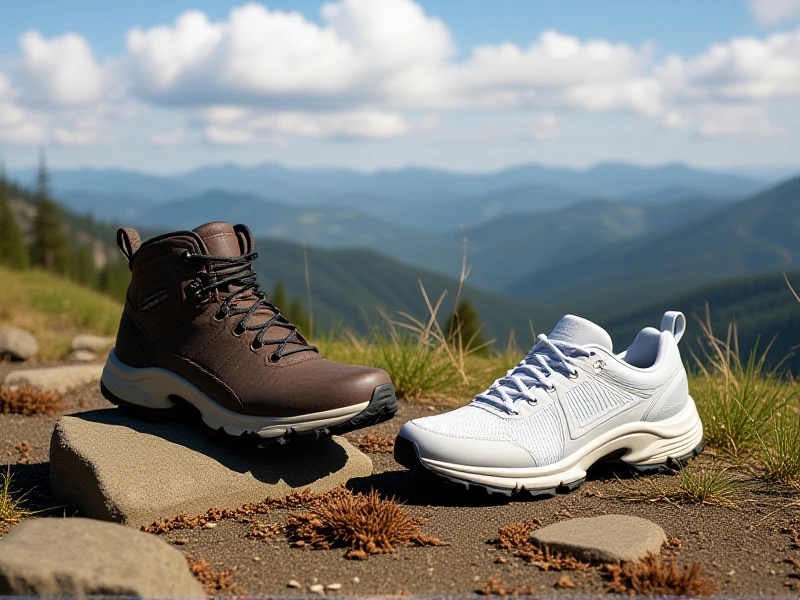
Support and cushioning protect you. Mid-cut boots offer superior ankle support for uneven terrain and heavy loads, vital for multi-day treks. Low-cut hiking shoes prioritize agility and lighter weight, ideal for day hikes on established trails. Cushioning absorbs shock – more for longer distances or heavier packs, less for a firmer, more stable "trail feel." Ensure the midsole provides adequate stability, preventing excessive ankle rolling.
Fit is non-negotiable. Always try shoes on at the end of the day when feet are slightly swollen. Wear the socks you plan to hike in. There should be ample wiggle room for toes without heel slippage. Consider potential toe box space for downhill sections. Lacing systems vary; experiment to find what secures your foot comfortably without pressure points.
Weight matters more than many realize. Heavy boots tire legs faster over many miles. Modern hiking shoe technology delivers impressive support and protection in lighter packages. Evaluate the trade-off between support level and the weight penalty based on your typical hike duration and pack weight.
Don't compromise on your foundation. Investing in quality hiking shoes built for your specific terrain, conditions, and physiology ensures every step supports your adventure, allowing you to focus entirely on the breathtaking views, not the pain in your feet. Gear up wisely and conquer the trail!