Finding Your Perfect Pair: The Ultimate Guide to Running Shoes
Selecting the right running shoes is crucial, whether you're a daily pavement pounder, a weekend trail explorer, or just starting out. The perfect pair can transform your run, boosting comfort, performance, and reducing your risk of common running injuries. With countless options crowding the shelves, knowing what to look for makes all the difference.
Why Running Shoes Matter
Running places significant repetitive stress on your feet, ankles, knees, hips, and back. Properly designed running shoes act as critical shock absorbers and stabilizers. They manage impact forces and support your unique biomechanics – how your feet move when you run (your gait). Worn-out shoes, or the wrong type for your gait, dramatically increase the chance of painful problems like shin splints, plantar fasciitis, or runner's knee. Investing in suitable running shoes is investing in your running longevity.
Understanding Your Options: Key Types
Not all running shoes are created equal. Major manufacturers like Nike, Brooks, ASICS, HOKA, and New Balance generally categorize running shoes into three primary types based on pronation control and cushioning levels:
- Neutral / Cushioned: Designed for runners whose feet exhibit neutral pronation – a natural, moderate inward roll after heel strike. These shoes focus primarily on impact absorption and flexibility, offering maximum plush comfort underfoot. Ideal for runners with medium to high arches.
- Stability: Aimed at runners who overpronate – their feet roll excessively inward upon landing. Stability running shoes feature firmer foam densities on the inner side (medial post) or guide rails. This provides gentle correction, enhancing alignment and preventing the lower leg from collapsing too far inward. Often suitable for runners with low to normal arches.
- Motion Control: The most robust category for severe overpronators. These shoes incorporate significant medial support and are often built on a very straight last (foot shape). They prioritize maximum control and rigidity to manage extreme motion. Typically recommended for runners with low arches or flat feet who experience significant inward roll.
Finding Your Best Fit
Choosing the right type starts with understanding your gait. While online quizzes can offer a starting point, visiting a specialty running shoes store with gait analysis (often done via treadmill video assessment) provides the most accurate guide. Consider your running style:
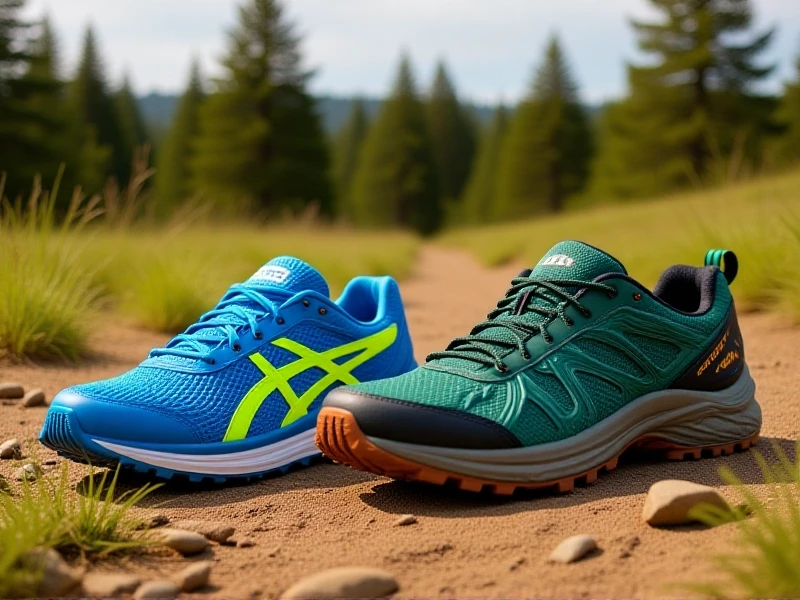
- Surface: Road shoes for pavement; trail running shoes with aggressive lugs for off-road adventures.
- Cushioning Level: Preferences range from highly padded ("maximal") to very minimal ("barefoot feel").
- Stack Height: The thickness of the midsole material impacts ground feel and shock absorption.
The Final Step: Fitting and Feeling
Aim to shop later in the day when feet are slightly swollen. Wear your typical running socks. There should be a thumbnail's width of space between your longest toe and the shoe end. The heel should lock down snugly without slipping. Width should be comfortable across the ball of the foot – no pinching or significant pressure points. Take them for a test run in-store if possible! The best running shoes feel comfortable and supportive immediately, without a lengthy "break-in" period.
Your journey starts from the ground up. Taking the time to understand the technology and match it correctly to your body and goals ensures every run is a joy, supporting you mile after mile in the perfect pair of running shoes.